

Do you need help & advice with Cybersecurity?
So, you’re looking to land some contracts here in the UK, and you’ve heard the term ‘Cyber Essentials’ buzzing around. It sounds important, right? Well, it is. Think of it like a basic health check for your business’s digital security. In today’s world, where cyber threats are as common as a rainy Tuesday, having this certification isn’t just a good idea; for many, it’s a requirement. This guide will break down what Cyber Essentials actually is, why it’s becoming a must-have, and how it can actually help you win more work.
Key Takeaways
- Cyber Essentials is a UK government-backed scheme that helps businesses protect themselves from common online threats.
- It focuses on five technical controls: firewalls, secure configuration, access control, malware protection, and patch management.
- Certification is often a mandatory requirement for winning UK government contracts and is increasingly demanded by private sector clients.
- Achieving Cyber Essentials certification builds trust with clients and partners, showing you take cybersecurity seriously.
- The process involves a self-assessment, which can be verified by an external assessor, and needs annual renewal.
Understanding Cyber Essentials: The UK’s Cybersecurity Benchmark

Right then, let’s talk about Cyber Essentials. You’ve probably heard the name bandied about, especially if you’re looking to snag any kind of contract in the UK, particularly with the government. It’s basically the UK’s go-to standard for basic cybersecurity. Think of it as a benchmark, a way to show that your organisation isn’t leaving the digital door wide open for every Tom, Dick, and Harry with a dodgy email to exploit.
What Is Cyber Essentials?
So, what exactly is this Cyber Essentials thing? In simple terms, it’s a scheme backed by the UK government. Its main job is to help businesses, no matter their size, protect themselves from the most common online threats. These aren’t usually super-sophisticated, nation-state attacks; they’re more like the digital equivalent of someone trying every unlocked car door on a street. We’re talking about things like phishing scams, malware, and ransomware. By getting certified, you’re proving you’ve put in place the necessary measures to stop these kinds of attacks before they cause real damage. It’s a way to build a solid foundation for your security. For many, it’s becoming a non-negotiable requirement for securing government contracts, and increasingly, private sector clients are asking for it too. It shows you’re serious about protecting data and systems.
The Five Core Technical Controls Explained
Cyber Essentials boils down to five key technical areas that organisations need to get right. Nail these, and you’ve covered the basics pretty well. They are:
- Firewalls and Routers: This is about making sure the entry points to your network are properly set up and secure. It’s like making sure your front door has a good lock and isn’t just ajar.
- Secure Configuration: It’s not enough to just install software; you need to set it up securely. This means disabling unnecessary features and making sure default passwords aren’t being used.
- Access Control: This is all about making sure the right people have access to the right information and systems, and that those who don’t need access, don’t get it. Think user accounts, permissions, and making sure people don’t share logins.
- Malware Protection: You need software in place to detect and remove malicious software like viruses and ransomware. Keeping this software up-to-date is key.
- Patch Management: Software and operating systems get updated for a reason – to fix security holes. This control means you have a process for applying these updates promptly across all your devices.
Implementing these five controls significantly reduces your organisation’s vulnerability to common cyber threats. It’s about proactive defence rather than reactive damage control.
Cyber Essentials vs. Cyber Essentials Plus
Now, there are two levels to this certification: Cyber Essentials and Cyber Essentials Plus. The basic Cyber Essentials involves a self-assessment. You fill out a questionnaire detailing your security setup, and an independent assessor reviews your answers. If everything stacks up, you get certified. It’s a good starting point and often sufficient for many contracts. Then there’s Cyber Essentials Plus. This level goes a step further. It includes everything in the basic certification, but it also requires hands-on technical testing by an external assessor. They’ll actually check your systems to verify that the controls you’ve described are genuinely in place and working effectively. This means things like vulnerability scans and checks on device configurations. While it’s more involved and usually costs more, it provides a higher level of assurance for clients and partners. Choosing between the two often depends on the specific requirements of the contracts you’re aiming for or the level of assurance you want to provide. You can find out more about the scheme on the official Cyber Essentials website.
Why Cyber Essentials Is Crucial for Winning UK Contracts
So, you’re looking to win more business in the UK, especially with government departments or larger organisations? Well, there’s a good chance you’ll bump into Cyber Essentials. It’s not just a bit of paperwork; it’s become a real gatekeeper for many contracts.
Mandatory Requirements for Government Contracts
If you’re eyeing up any work with the UK government, particularly if it involves sensitive or personal data, then getting Cyber Essentials certified is often a non-negotiable. This requirement has been in place for a while, but it’s becoming more common across different departments and agencies. Failing to have it can mean you simply can’t even bid for certain projects. It’s a clear signal that the government expects a certain level of security from its partners. You can find out more about the specific steps to achieve certification.
Meeting Supply Chain Demands
It’s not just the government, either. Big companies are increasingly looking at their own supply chains and asking suppliers to prove their security chops. They know that a weak link anywhere in the chain can cause big problems for everyone. So, if you supply to larger businesses, expect them to ask for your Cyber Essentials certificate. It shows you’re not a security risk they need to worry about. This is becoming a standard expectation, and not having it could mean losing out on work you’d otherwise be a good fit for.
- Demonstrates a baseline security standard.
- Reduces the risk for your clients.
- Helps you stand out from competitors.
Many organisations are now making Cyber Essentials a condition of doing business, especially if you handle any kind of sensitive information or have access to their systems. It’s a way for them to manage their own risk without having to audit every single supplier themselves.
Building Client and Partner Confidence
Even if it’s not strictly mandatory for a particular contract, having Cyber Essentials certification is a massive confidence booster. It tells potential clients, partners, and even investors that you take cybersecurity seriously. In today’s world, where data breaches are common news, showing you’ve taken steps to protect yourself and their data is a big plus. It can be the difference between winning a contract and being overlooked. Plus, some cyber insurers might even offer better terms if you’re certified, which is another nice bonus.
The Benefits of Cyber Essentials Certification
Getting Cyber Essentials certification might seem like just another task to tick off, but honestly, it brings some pretty solid advantages to the table. It’s not just about looking good on paper; it’s about actually making your business tougher against the everyday online threats that are out there.
Protection Against Common Cyber Threats
Let’s face it, cyber criminals aren’t exactly subtle. Most attacks are pretty basic, like someone trying every door and window in your house to see if anything’s unlocked. Cyber Essentials focuses on locking those doors and windows. By getting certified, you’re basically putting up a strong defence against the most common types of online attacks. This means fewer worries about ransomware locking up your files or phishing emails tricking your staff into giving away sensitive information. It’s about stopping those low-level, but often very damaging, attacks before they even get a chance to cause trouble.
Reduced Risk and Potential Cost Savings
When you’re protected against common threats, you naturally reduce your risk. This means fewer disruptions to your business, less downtime, and avoiding those hefty costs associated with recovering from a cyber incident. Think about it: a data breach can cost a fortune in fines, reputation damage, and getting systems back online. Cyber Essentials helps you sidestep a lot of that. Some businesses even find that their cyber insurance premiums can be more favourable once they’re certified, which is a nice bonus.
Insurance Advantages and Incident Response
Speaking of insurance, having Cyber Essentials can sometimes make a difference when you’re looking for cover. Insurers often see certified businesses as lower risk. Beyond that, the process of getting certified makes you think about how you’d handle a security incident. While Cyber Essentials focuses on prevention, having those basic controls in place also means you’re better prepared to respond if something does go wrong. It gives you a clearer picture of your systems and how to manage them, which is always a good thing.
Implementing the controls required for Cyber Essentials certification isn’t just about meeting a standard; it’s about building resilience. It forces a structured approach to security that can prevent many common issues from escalating into major problems. This proactive stance saves time, money, and a lot of stress down the line.
Navigating the Cyber Essentials Certification Process
So, you’ve decided Cyber Essentials is the way to go for your business. That’s a smart move, especially if you’re eyeing up UK contracts. But how do you actually get this certification? It’s not as daunting as it might sound, and there are a couple of main routes you can take.
Self-Assessment and Verification
This is the most common path for many businesses. You essentially assess your own organisation against the Cyber Essentials controls. You’ll download the assessment questions and the requirements document, which are freely available. Then, it’s a case of honestly answering those questions about your IT setup. The key here is accuracy; you need to be truthful about your current security measures. Once you’ve completed the self-assessment, you submit it through the official platform. For the basic Cyber Essentials certification, this submission is then reviewed by an external body. If everything checks out, you get your certificate. It’s a process that requires careful attention to detail, but it’s designed to be manageable for most organisations. You can find out more about the application process on the official Cyber Essentials site.
The Role of a Cyber Advisor
Now, if the thought of going through the assessment yourself feels a bit much, or if you want to be absolutely sure you’ve got it right the first time, bringing in a Cyber Advisor is a really good idea. These are professionals who are trained and approved to help businesses like yours get certified. They can help you understand the requirements, identify any gaps in your security, and guide you on how to fix them. Think of them as your personal guide through the whole process. They can help with everything from understanding the scope of your assessment to making sure your answers are spot on. It’s a bit like having an expert on your team to make sure you don’t miss anything important. Many advisors offer a readiness review first, which is a great way to see where you stand before committing to the full certification.
Timelines and Renewal
Once you’ve submitted your assessment, the verification process usually takes a few weeks, depending on the volume of applications. If you pass, your Cyber Essentials certificate is valid for one year. After that, you’ll need to go through the renewal process, which typically involves another self-assessment. This annual renewal is important because cyber threats are always changing, and your security measures need to keep up. It’s a good way to ensure your organisation maintains a good level of cyber hygiene year after year. The process for renewal is similar to the initial certification, so you’ll be familiar with it by then. It’s a continuous commitment to security, not just a one-off task.
Getting certified involves a few steps, but it’s designed to be a clear path. You’ll need to figure out what parts of your business need to be included in the assessment, prepare your answers carefully, and then submit everything. Don’t forget that the certification lasts for a year, so you’ll need to plan for renewal too.
Preparing Your Organisation for Cyber Essentials
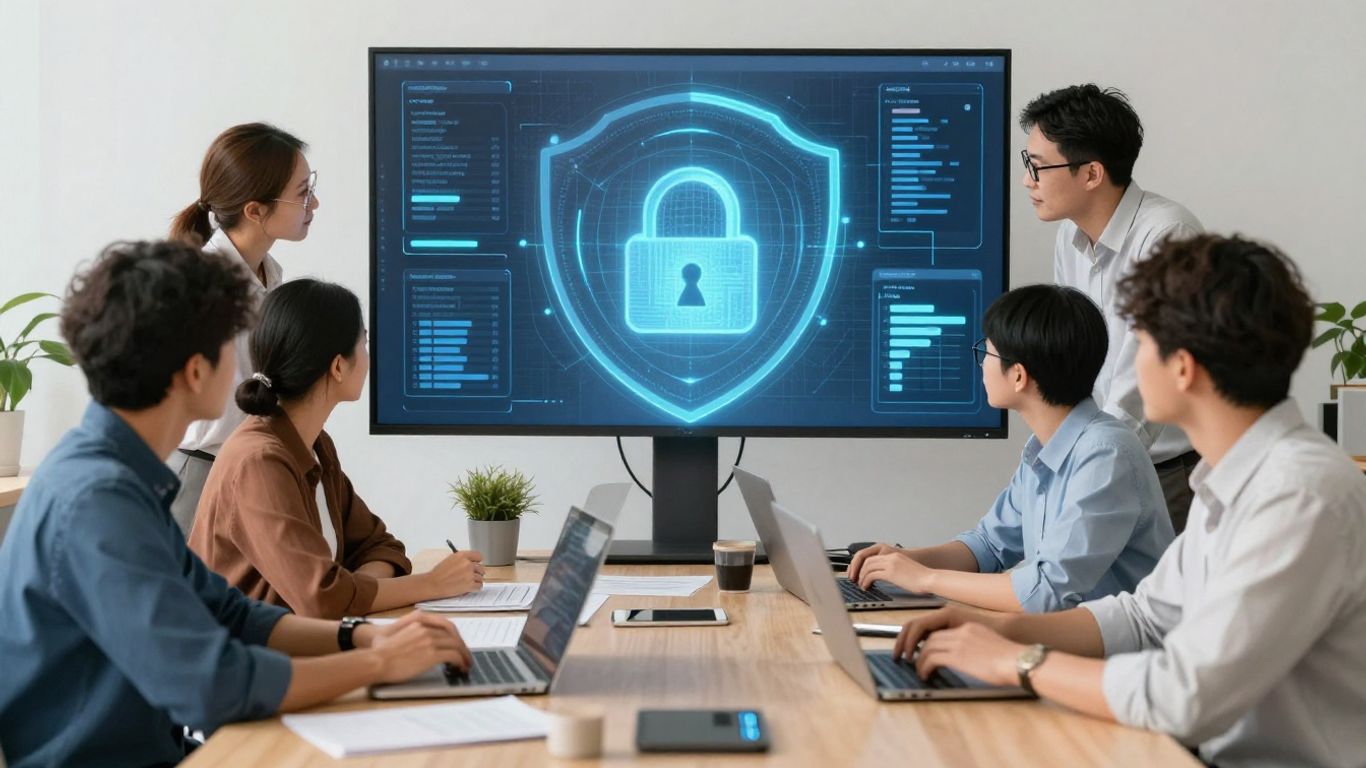
Right then, getting your business ready for Cyber Essentials might sound like a big job, but honestly, it’s more about getting the basics sorted. Think of it like making sure your house is locked up tight before you go on holiday. You wouldn’t leave the back door wide open, would you? It’s the same with your digital assets.
Assessing Your Current Security Posture
First things first, you need to get a clear picture of where you stand right now. What systems are you using? Who has access to what? Are your passwords strong enough, or are they still something like ‘password123’? It’s about taking an honest look at your current setup. This isn’t about pointing fingers; it’s about identifying those little cracks that cyber criminals could slip through. You can download the official assessment questions from the IASME website to get a feel for what they’re looking for. It’s a good starting point to see what you’re already doing well and where you might need to put in a bit more effort. You can also use the NCSC’s free Readiness Tool, which is pretty handy for getting a tailored action plan.
Implementing Essential Security Measures
Once you know where your weak spots are, it’s time to fix them. This usually involves a few key areas:
- Firewalls and Routers: Making sure these are set up correctly to keep unwanted traffic out. It’s your digital front door, so it needs a solid lock.
- Secure Configuration: This means making sure all your devices and software are set up with security in mind from the get-go. Think disabling unnecessary features and using strong passwords.
- Access Control: Only giving people the access they actually need to do their jobs. No more sharing passwords, please!
- Malware Protection: Having good antivirus software installed and keeping it updated is a must.
- Patch Management: This is a big one. Keeping all your software, operating systems, and applications updated with the latest security patches. Those updates often fix security holes that attackers love to exploit. It’s like patching up holes in your fence.
Don’t get bogged down in trying to achieve perfect security overnight. Cyber Essentials focuses on the most common threats, so addressing these five core areas will significantly improve your resilience against the majority of attacks businesses face.
Leveraging IT Support Providers
If all this sounds a bit much, or if you’re just not sure where to start, don’t be afraid to ask for help. Many businesses work with IT support providers or managed service providers (MSPs). Often, these companies can help you get Cyber Essentials ready as part of their regular service. They’re usually well-versed in these security controls and can help implement the necessary measures. If you’re a small or medium-sized business, you might even be able to book a free 30-minute chat with an NCSC-assured Cyber Advisor to get some initial guidance. It’s worth exploring these options to make the process smoother and less daunting. Getting certified shows you’re serious about protecting your data and that of your clients, which is a big plus when bidding for contracts.
Getting your organisation ready for Cyber Essentials is a smart move. It shows you’re serious about keeping your digital information safe. We can help you understand what needs to be done to meet the requirements. Visit our website today to learn more about how we can support your journey to becoming Cyber Essentials certified.
Wrapping Up
So, there you have it. Getting Cyber Essentials sorted might seem like a bit of a chore at first, but honestly, it’s a really sensible step for any UK business wanting to win more work and keep things safe online. It’s not just about ticking boxes for government contracts anymore; it’s about showing your customers and partners that you’re serious about security. Plus, it actually stops a lot of those annoying, common cyber attacks before they cause real trouble. Don’t leave it too late – get your ducks in a row and get certified. Your future self, and your clients, will thank you for it.
Frequently Asked Questions
Do I really need Cyber Essentials for my business?
While it’s not a legal must-have for every single business, it’s becoming super important. If you want to work with the UK government, especially on projects involving personal or sensitive information, then yes, it’s a strict requirement. Lots of other bigger companies also want their suppliers to have it to make sure everyone in the chain is safe online. Plus, it shows customers you’re serious about keeping their data secure.
What’s the difference between Cyber Essentials and Cyber Essentials Plus?
Think of basic Cyber Essentials as a self-check where you answer questions about your computer systems. Cyber Essentials Plus is like a more thorough inspection. An expert actually tests your systems to make sure the security measures you say you have in place are really working properly. It gives you a higher level of trust.
How long does it take to get Cyber Essentials certified?
If you’re organised and know your IT setup well, you could get through the self-assessment part fairly quickly, maybe in a few hours. The whole process, from signing up to getting your certificate, usually takes about two to four weeks for most businesses. You have up to six months to submit your answers after you register.
Can I get Cyber Essentials without being an IT whizz?
Absolutely! The basic Cyber Essentials self-assessment is designed so that business owners, not just tech experts, can understand and complete it. You’ll need to know how your computers and network are set up, but you don’t need to be a computer programmer. Many businesses get help from their IT support company or a special ‘Cyber Advisor’ if they need a hand.
What happens if my business doesn’t pass the Cyber Essentials check?
For the standard Cyber Essentials, if you miss something, you usually get a couple of extra days to fix it and try again without paying again. If you’re going for Cyber Essentials Plus and don’t pass, you’ll likely need to pay for a new test after you’ve sorted out the problems.
Does Cyber Essentials certification expire?
Yes, it does. Both the basic Cyber Essentials and the Plus version are valid for 12 months. You have to renew it every year. This yearly renewal is a good chance to make sure your security is still up to scratch and hasn’t fallen behind as new threats appear.