

Do you need help & advice with Construction IT or IT Management?
Running a construction firm means juggling a lot. You’ve got projects to manage, teams to coordinate, and deadlines to meet, all while keeping an eye on the bottom line. In this busy world, IT might not always be top of mind, but it’s pretty important for keeping things running smoothly. That’s where a Part-Time IT Manager can really make a difference, especially for businesses that don’t need a full-time IT department but still need expert help.
Key Takeaways
A Part-Time IT Manager helps construction firms with their technology needs without the cost of a full-time employee.
They can manage project management software, protect sensitive data, and improve communication systems.
Supporting on-site technology, like mobile devices and network connections, is also a common task.
Hiring a part-time IT manager offers cost savings and access to specialised skills tailored to the construction industry.
This role helps firms stay efficient and secure in an increasingly digital environment.
Understanding the Role of an IT Manager in Construction
An IT Manager, whether full-time or part-time, is essentially the person who makes sure all the technology a construction firm uses actually works, and works well. Think of them as the digital backbone of your operation. They handle everything from the computers and software your office staff use to the systems that keep your project teams connected on-site. In the construction world, where projects are complex and deadlines are tight, having reliable technology isn’t just a nice-to-have; it’s a necessity. They’re the ones who keep the digital gears turning smoothly, allowing everyone else to focus on building.
Key Responsibilities and Tasks
The day-to-day of an IT Manager in construction can be quite varied. They’re often the first point of contact when something digital goes wrong, but their role goes much deeper than just fixing problems. They’re involved in planning, setting up, and maintaining the technology infrastructure that supports your business. This includes:
System Maintenance: Keeping all hardware and software up-to-date and running efficiently. This means regular checks, updates, and sometimes replacing older equipment.
Cybersecurity: Protecting your company’s sensitive data, including project plans, financial information, and client details, from online threats.
Network Management: Ensuring your internet, Wi-Fi, and internal networks are stable and secure, allowing for smooth data transfer between the office and job sites.
Software Support: Helping staff use essential construction software, like project management tools or accounting packages, and troubleshooting any issues that arise.
Hardware Procurement: Advising on and sourcing new computers, printers, mobile devices, and other tech equipment needed for the business.
User Support: Assisting employees with their day-to-day IT queries, from password resets to software glitches.
Focus Areas for Construction IT
While the general responsibilities are broad, an IT Manager working with construction firms will often find themselves focusing on specific areas that are particularly important to the industry. These are the things that directly impact project delivery and business operations:
Project Management Software: Making sure the software used to plan, track, and manage projects is functioning correctly and that teams know how to use it effectively. This can involve setting up new projects within the system or resolving issues that prevent teams from updating progress. Good management of this software is key to keeping projects on track, much like having a detailed work breakdown schedule is important for project planning.
Data Security: Construction projects generate a lot of sensitive data, from blueprints and financial bids to client contracts. An IT Manager needs to implement measures to protect this information from breaches, which could have serious financial and reputational consequences. This includes setting up secure file storage and access controls.
Communication and Collaboration Tools: Ensuring that communication channels, whether email, messaging apps, or video conferencing, are reliable. This is vital for keeping office staff, site managers, and subcontractors all on the same page. Effective communication helps avoid misunderstandings and keeps projects moving forward.
On-Site Technology: Many construction sites now rely on technology like rugged laptops, tablets for site surveys, GPS tracking for equipment, and even drones for site monitoring. The IT Manager needs to support this mobile technology, ensuring it connects reliably to the network and that users can access the data they need, wherever they are. This can involve setting up mobile device management or troubleshooting connectivity issues in remote locations.
AI and Machine Learning: Leveraging AI and machine learning for predictive analytics, automating repetitive tasks, and optimizing construction processes, leading to increased efficiency and reduced costs.
The effective use of technology in construction is no longer optional. It’s about making sure that the tools you have are reliable, secure, and actually help your teams do their jobs better, rather than getting in the way. It’s about enabling better project management and smoother operations across the board.
An IT Manager helps to make sure that the technology you invest in, like construction management software, actually delivers on its promise of improving efficiency and keeping projects on schedule. They bridge the gap between the technology and the people using it, making sure everyone can benefit from these digital advancements. You can find more information on how Construction Managers oversee projects from start to finish on [af67].
Why Construction Firms Need IT Support

Look, construction is a complicated business. You’ve got teams spread out, deadlines to meet, and a whole lot of sensitive information flying around. Trying to manage all of that without decent IT support is like trying to build a skyscraper with a hammer and nails – it’s just not going to cut it.
Managing Project Management Software
These days, most construction projects rely heavily on project management software. Think of it as the central hub for everything – plans, schedules, budgets, you name it. If this software isn’t running smoothly, or if your team doesn’t know how to use it properly, you’re looking at delays, mistakes, and a whole heap of frustration. Keeping this system up-to-date and accessible for everyone, from the office to the site, is a big job.
Securing Sensitive Project Data
Construction firms handle a lot of confidential stuff. We’re talking client details, financial records, proprietary designs, and all sorts of project-specific data. A data breach could be disastrous, leading to financial loss, legal trouble, and a serious hit to your reputation. Making sure all this information is protected from cyber threats is absolutely vital.
Ensuring Reliable Communication and Collaboration
Projects involve lots of people – architects, engineers, subcontractors, clients, and your own team. Everyone needs to be able to talk to each other easily and share information without a hitch. Whether it’s emails, video calls, or shared documents, a breakdown in communication can cause all sorts of problems, leading to misunderstandings and costly errors. Good IT makes sure these channels stay open and effective.
Supporting On-Site Technology
It’s not just about computers in the office anymore. Think about the tech on the actual building site: tablets for site managers, GPS tracking for equipment, maybe even drones for surveying. This gear needs to work reliably, often in tough conditions. If a tablet dies or the network connection on site goes down, it can bring work to a standstill. Having someone who can sort out these on-site tech issues quickly is a real lifesaver.
What Does a Part-Time IT Manager Do?
A part-time IT manager for a construction firm wears many hats, focusing on keeping your digital infrastructure running smoothly so your projects can stay on track. They’re not just about fixing computers when they break; their role is much broader, touching on everything from the software you use to the security of your data.
Key Responsibilities and Tasks
So, what exactly will this person be doing day-to-day? It really depends on your firm’s specific needs, but generally, you can expect them to handle the following:
System Maintenance and Upgrades: Keeping your servers, networks, and workstations up-to-date and running efficiently. This includes installing new software, applying security patches, and making sure everything is compatible.
Troubleshooting and Support: Being the go-to person when things go wrong. This could be anything from a printer jam on site to a software glitch affecting your project management tools.
Network Management: Ensuring your wired and wireless networks are stable and secure, allowing for reliable communication between the office and your construction sites.
Data Backup and Recovery: Setting up and managing systems to back up your important project files and client information, with a plan in place to restore it if something goes missing.
IT Security: Implementing measures to protect your systems and data from cyber threats, such as viruses, malware, and unauthorised access. This is particularly important when dealing with sensitive project details.
Software Management: Helping you choose, install, and manage the software your firm relies on, like project management platforms or accounting software. They might also help train staff on how to use it effectively.
Focus Areas for Construction IT
For a construction business, certain IT aspects are more critical than others. A part-time IT manager will likely prioritise:
Project Management Software Support: Making sure your chosen project management tools, like those used for scheduling and budgeting, are working correctly and accessible to the team members who need them. This can significantly impact how well projects are managed, as seen with tools that help manage your project schedules. BIM tools or specific software like Procore or Autodesk Construction Cloud are examples of systems that aim to improve this.
On-Site Technology: Ensuring that the technology used on construction sites, such as rugged laptops, mobile devices, and network connectivity, is reliable and functional. This keeps your teams connected and productive, no matter where they are.
Data Security for Project Files: Protecting sensitive project plans, blueprints, client data, and financial information from breaches. Losing this kind of data could have serious consequences for a project and the business.
Communication Tools: Maintaining the systems that allow your office staff and site teams to communicate effectively, whether it’s email, instant messaging, or video conferencing. Good communication is key to successful project execution, as any goodproject manager will tell you.
The goal is to make your IT systems work for you, not against you. This means having reliable tools that support your project workflows and keep your data safe, without costing a fortune. It’s about finding that right balance for your specific business needs.
Benefits of Hiring a Part-Time IT Manager
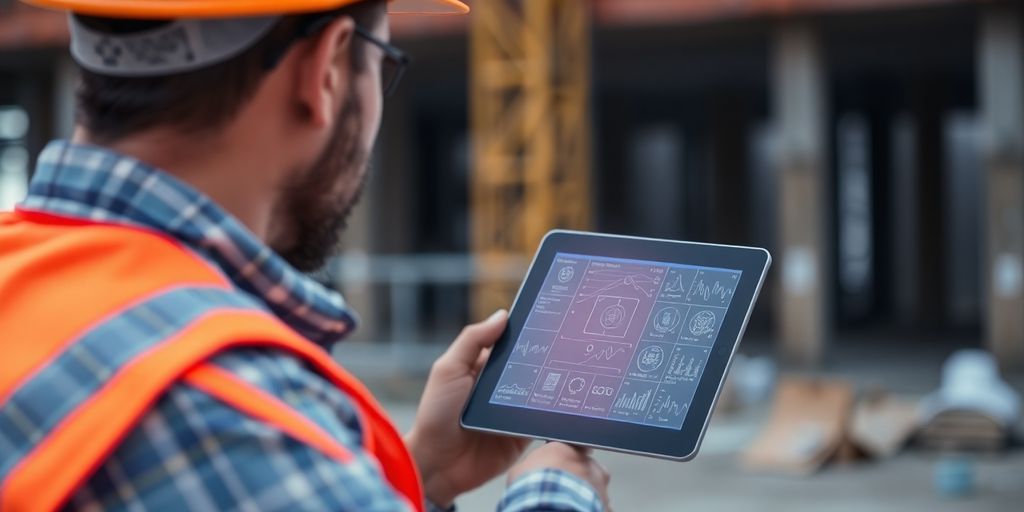
Bringing in a part-time IT manager can be a really smart move for construction firms, especially when you’re trying to keep costs down but still need solid tech support. It’s not just about having someone to fix your computer when it goes kaput; it’s about having a professional who understands the specific tech needs of the construction industry.
Cost-Effectiveness and Scalability
Let’s be honest, a full-time IT manager is a significant salary and benefits commitment. For many construction businesses, especially smaller ones or those with fluctuating project loads, this can be a stretch. A part-time IT manager offers a much more manageable solution. You pay for the hours or services you actually need, which means you’re not paying for downtime or for skills you don’t currently require. This makes it incredibly cost-effective. Plus, it’s scalable. As your business grows or your IT needs change, you can adjust the hours or services you use. If you have a big project kicking off that requires more IT oversight, you can increase their involvement. When things quiet down, you can scale back. It’s a flexible approach that fits the often unpredictable nature of construction projects.
Access to Specialized Expertise
Construction has its own unique set of technological challenges. Think about project management software like Procore or Autodesk Construction Cloud, the need to secure sensitive client data and project blueprints, or ensuring reliable communication between the office and busy job sites. Finding one person who is a whiz at all of this, and is also willing to work part-time, can be tricky. Hiring a part-time IT manager often means you get access to someone who specialises in these areas. They might have experience with the specific software you use, understand the cybersecurity risks common in construction, or know how to set up reliable networks for remote sites. This means you’re not just getting general IT help; you’re getting targeted support that can genuinely improve how your projects run. It’s like having a consultant on call, but integrated into your team on a flexible basis.
Hiring a part-time IT manager can be a smart move for your business. It means you get expert help without the full-time cost. Think of it as having a tech whiz on call when you need them most, helping to keep your systems running smoothly and your data safe. This can really help your company grow and avoid tech troubles. Want to learn more about how this can benefit your business? Book a call today!
Wrapping Up: Your Part-Time IT Manager
So, that’s the lowdown on what a part-time IT manager can do for your construction firm. It’s not about having someone full-time if you don’t need it. It’s about getting the right support, when you need it, to keep things running smoothly. Think of it as having a skilled helper who’s there to sort out your tech headaches, help you use new software, and generally make your IT life a bit easier, without the big commitment of a permanent hire. It could be the sensible step to get your technology working better for you, rather than against you.
Frequently Asked Questions
What exactly does a part-time IT manager do for a construction company?
A part-time IT manager is like a tech helper who works for your company but not all week. They look after your computers, software, and online systems, making sure everything runs smoothly. For building firms, this means keeping your project management tools working, protecting important project details, and making sure everyone can talk to each other easily, whether they’re in the office or on the building site.
Why would a construction firm choose a part-time IT manager over a full-time one?
Think of it this way: instead of having a full-time IT person, you have someone who comes in or is available for specific hours or tasks. This is great for smaller or medium-sized building businesses that might not need a full-time IT expert but still need reliable tech support. It’s a flexible way to get the IT help you need without the cost of a permanent employee.
What are the main money-saving benefits of hiring someone part-time?
It’s usually much cheaper! You only pay for the IT help you actually use. This means you can save money on salaries, benefits, and office space. It’s also flexible – if your company grows or needs more IT help, you can easily increase their hours, or if things slow down, you can reduce them. It’s a smart way to manage costs.
How does a part-time IT manager help with technology used directly on building sites?
Construction sites often have unique tech needs, like making sure tablets and phones work reliably for site plans and updates, or setting up Wi-Fi in temporary offices. A part-time IT manager can focus on these specific issues, ensuring that the technology used on-site helps, rather than hinders, the building process.
Can a part-time IT manager help with the specific software used in construction?
They can help your team use special building software better, like tools f

